
Murrieta Leak Detection and Repair
Leak Detection and Slab Leak Repair in Murrieta, CA
Suspect a hidden plumbing leak? Donnie’s Plumbing locates leaks in walls,
ceilings, floors, exterior lines, and beneath concrete foundations. Once
the source is identified, we explain the practical repair options clearly,
including direct repair, pipe rerouting, or repiping when appropriate.
Licensed California Plumbing Contractor #1110385 • Local • Insured • Clear recommendations without unnecessary upselling
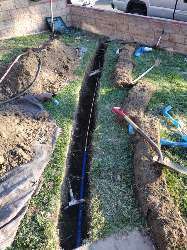
We narrow down the source before recommending demolition.
Understand the difference between repair, reroute, and repipe.
Photos and written details when appropriate.
Leak locating and licensed plumbing repair from one local company.
Leak Detection, Leak Repair and Slab Leak Services
Finding a leak is only the first step. Our goal is to identify where the
water is coming from, determine why the line failed, and recommend a repair
that makes sense for the location and overall condition of the plumbing.
Leak Detection
We investigate unexplained water use, moisture, pressure loss, sounds
of running water, and other signs of a concealed plumbing leak.
- Leaks behind walls and ceilings
- Leaks beneath flooring
- Underground and exterior supply leaks
- Hot and cold water line leaks
Plumbing Leak Repair
Once the source is located, we assess access, pipe material, damage,
and surrounding conditions before presenting repair options.
- Pipe and fitting repairs
- Valve and connection leaks
- Fixture supply line leaks
- Damaged or deteriorated pipe sections
Slab Leak Repair
A slab leak occurs in a water line beneath the concrete foundation.
The right repair depends on the line’s location and overall condition.
- Slab leak location
- Direct-access spot repair
- Pipe rerouting
- Partial or whole-home repiping
Signs You May Have a Hidden Plumbing Leak
Some leaks are obvious. Others can continue behind walls or beneath the
foundation without visible standing water.
Water use rises even though your household habits have not changed.
The meter continues registering flow while all fixtures are turned off.
A leaking hot-water line beneath the slab may create a warm floor area.
Moisture appears without an obvious spill or visible fixture leak.
Concealed moisture may be collecting inside walls or beneath flooring.
Water can sometimes be heard even when every fixture is turned off.
Learn more about what it may mean if you keep
hearing water running when everything is turned off
.
Turn off the main water supply when it is safe to do so, then call
(951) 709-7890.
Where Hidden Plumbing Leaks Can Show Up
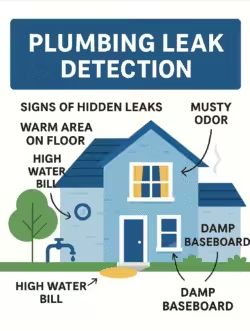
A hidden leak may reveal itself through warm flooring, damp baseboards,
staining, mildew odors, or an unexplained increase in water use.
These signs can help narrow down the problem, but they do not confirm
the exact source. Proper testing helps determine whether the leak is
behind a wall, beneath flooring, under the slab, or somewhere else in
the plumbing system.
How We Approach a Suspected Leak
The exact process depends on the symptoms and location, but most leak
investigations follow these basic steps.
Confirm the leak
We review the symptoms and may use meter, isolation, or pressure
testing to confirm that a plumbing leak exists.
Narrow down the source
Acoustic, thermal, visual, pressure, or targeted inspection methods
may be used depending on the situation.
Assess the pipe
We consider material, age, location, accessibility, and whether the
failure appears isolated or part of a larger pattern.
Explain repair options
You receive practical choices and pricing before repair work begins.
Slab Leak Repair Options
There is no single repair method that is right for every slab leak. The
best choice depends on the location of the failed line, the condition of
the remaining plumbing, and how much access would be required.
Targeted Spot Repair
A direct repair may make sense when the leak is accessible and the
surrounding line appears to be in otherwise good condition. This may
involve opening a limited area to replace the failed pipe section.
Pipe Reroute
A damaged under-slab line may be abandoned and replaced with a new
route through walls, ceilings, or another accessible pathway. This can
reduce concrete and flooring disruption.
Partial or Whole-Home Repipe
If the system has repeated pinhole leaks, widespread deterioration,
or several previous repairs, replacing more of the plumbing may be more
dependable than continuing to repair isolated failures.
Not Every Plumbing Leak Is Under the Slab
A damp cabinet, stained ceiling, dripping valve, or unexplained moisture
does not automatically mean you have a slab leak. We also diagnose and
repair visible and concealed leaks throughout the plumbing system.
- Leaks inside walls and ceilings
- Toilet supply and shutoff valve leaks
- Faucet and fixture connection leaks
- Water heater connection and valve leaks
- Hose bib and exterior line leaks
- Pressure regulator and main shutoff problems
- Damaged exposed water piping
- Underground water supply leaks
Conditions That Can Contribute to Plumbing Leaks
Not every leak can be prevented, but identifying conditions that strain
the plumbing system may reduce future failures.
High Water Pressure
Excessive pressure can stress pipes, fittings, valves, appliance
connections, and fixtures. A failing pressure regulator may need to be
tested or replaced.
Hard-Water Buildup
Mineral-heavy water can contribute to scale, restricted flow, fixture
wear, and water heater sediment. Water treatment may be worth
considering depending on the property.
Aging or Failing Pipe
Pipe material, installation quality, age, soil conditions, movement,
and previous repairs can influence whether a failure remains isolated
or becomes a recurring problem.
Leak Detection in Murrieta and Nearby Communities
Donnie’s Plumbing provides residential leak detection and plumbing repair
in Murrieta, Temecula, Wildomar, Menifee, Winchester, Lake Elsinore, and
surrounding Southwest Riverside County communities. View our full
service area
or call to confirm availability for your address.
Related Plumbing Services
Water Heater Repair and Installation